2026年4&5月刊
蛋黃與膽固醇;natural mineral water;新新聞;Canada euthanasia;制度致貧;measles back;
- 蛋黃與膽固醇

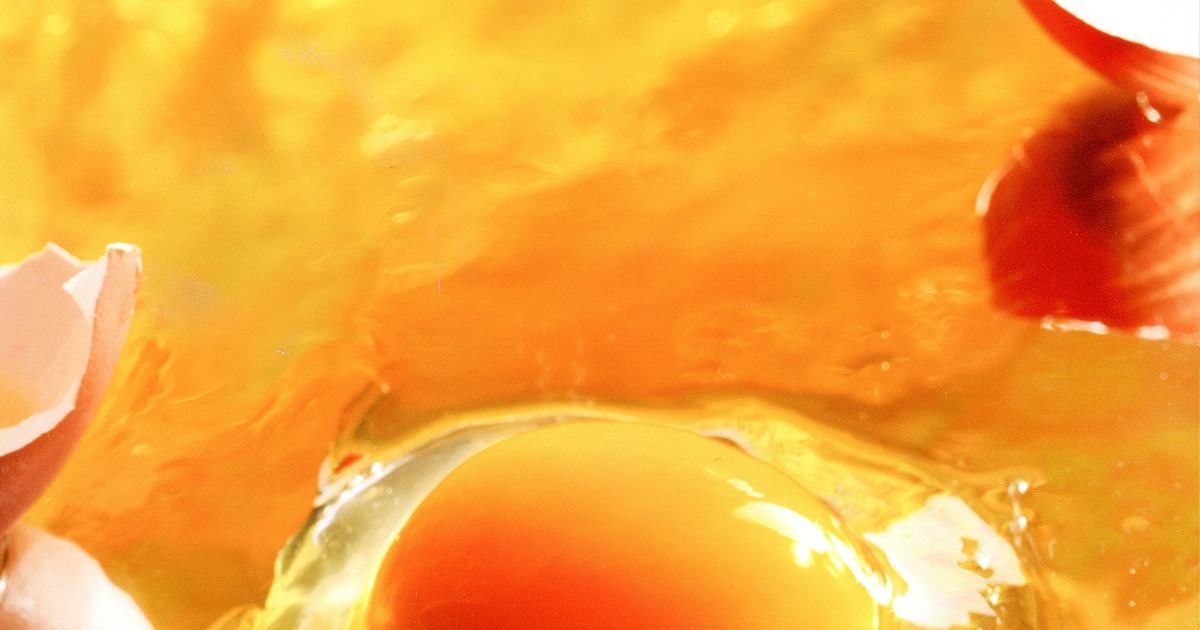
這項膽固醇限制建議終於在2016年刪除,因為科學證據並不支持膳食膽固醇和心臟病之間存在強烈關聯。自此之後,更近期的研究也顯示,真正顯著影響血中膽固醇濃度的因子是飽和脂肪而非膳食膽固醇。
《2025-2030年美國人飲食指引》持續建議,應將飽和脂肪攝取量限制在不超過每日總熱量的10%,或是每天最多20公克。這表示你應該限制奶油、全脂乳製品、紅肉、起司及椰子油等熱帶油品的攝取量。
克利夫蘭醫學中心的人類營養學中心合格營養師茱莉亞.祖姆帕諾(Julia Zumpano)說,膳食膽固醇攝取量與體內膽固醇濃度之間的關係「稍微因人而異」。她指出,就血中膽固醇而言,有60至80%受到遺傳因子影響,20至40%則來自飲食。
祖姆帕諾表示,整體來說,有高膽固醇的人每週可食用最多四顆蛋黃,而沒有高膽固醇但有膽固醇異常家族病史的人每週可食用最多六顆蛋黃。
為了讓含蛋飲食維持健康,阿尤布建議使用橄欖油或蔬菜油而非奶油進行烹調,並搭配全麥吐司、豆類或蔬菜。他解釋說:「高纖維食物有助於阻斷身體重吸收正在排出的膽固醇。」
- natural mineral water
 Hugh Schofield
天然礦泉水,而家嘅情況已經好難再天然落去,越嚟越多環境氣候影響同埋受到污染。一開始呢種消費就係有問題,千辛萬苦從深層取水去賣高價,仲要誤以為係可持續儲水同唔受污染。真要補咩礦物質嘅,而家大把保健品可以直接補充,而家持續唔落去就再加工過再買……真係當人係傻噉玩
"The unforeseen is taking place. We are moving from a period in which companies could draw water from the deep aquifers and be sure they would be replenished, to a period in which it's obvious the whole system cannot go on.
"The analysis made by Haziza and other hydrologists is that there is now a clear link between deeper and surface aquifers. Contaminants (farm chemicals or human waste) that drain off the land in the increasingly frequent flash floods, can now make their way into the lower aquifers.
At the same time, the effects of long-term drought and over-pumping mean these lower aquifers contain less volume, so any contamination will be more concentrated, the experts say.
但龐大嘅經濟效益令到呢個產業好難會有改變,所以冇計就噉,畢竟買賣係經濟行為
The advantage for Perrier is that the new beverages do not claim to be "natural mineral water". They can be treated and filtered without difficulty.
Perrier says the new brand is part of the mix, and that it has no intention of abandoning its original Source Perrier natural mineral water. It has stopped the ultra-fine (0.2 micron) microfiltration, and now uses a 0.45 micron system which has been agreed with government.
It has applied for "natural mineral water" status for just two out of the five drilling wells it was using for Perrier mineral water. A decision is due later this year.
- 新新聞
 田间 Tian Jian
看稿这件事,我真是深恶痛绝,以前在中国媒体实习,很多采访对象要求看稿,我忘记最后有没有给他们看了,但每次有人提出这件事,我就不爽,我觉得这是对新闻媒体独立性、对新闻这门技艺的不尊重,把它(媒体)当成公关、宣传。
为什么要写出来呢?一个比较实际面的原因,哪怕采访同温层的受访者,像是人权工作者、律师等等,他们也有看稿的想法,虽然说他们可能已经是海外的运动者。我觉得同温层更应该打开窗说亮话,所以才把采编原则贴出来。
我遇过不只一回,同温层的受访者提说,刊出前能不能看一下啊,我会直接把采编原则link发过去,跟他解释,我是独立的媒体,在这个公民社会里,大家有不同位置,希望你能理解和尊重我的工作,其实大部分的人还是能理解的。
yep,睇稿其實同事前審查差唔多
新闻工作者应该讲求的是「客观」与「平衡」。客观的话,事实是什么,就应该呈现什么。但每个人都有局限,有自己的感情、认知和态度,加上《新新闻》多数稿件不是hard news,而是议题探讨,虽然议题有纯粹客观性,但在被人理解的过程中,肯定夹杂主观色彩。我无法回避它,只能尽量透过专业能力,减少主观意识,去影响客观事实的呈现。
至于平衡,不是说张三和王二吵起来,那我就张三写一句、王二写一句,那只是非常懒惰的虚假平衡。真正的平衡是,若有一方是弱势,遭到压迫,那更应该多方面呈现它,呈现背后的结构性原因。
不过,就算是同温层读者,也可能有人不认可我对事实的描述。这时候,我会回到一个很原始的问题——我创办这个媒体、写这些报导,最后究竟是为了谁?既然要做自己的媒体,就必须想清楚是要服务谁。 《新新闻》所服务的读者,多数是像我一样追求自由精神的华语读者,当然其中大部分是中国人。
所以当有人说我不够客观,比如小粉红或网路上的黑子,我反而会想:这篇报导发出去之后,我想服务的那个群体,是不是可以接受?如果他们是接受的,那就可以了。这某种程度上是一个「兜底」吧,不让自己那么内耗,陷入一种哲学式的自我否定中。
我自己都幾buy,人係無可能面面俱到,無論寫得點,都一定有人唔滿意,所以令到自己希望嘅群體滿意,噉就已經好足夠
可以说,《新新闻》是为了我个人的理想而创办的。当然不是说我现在工作的薪资有多高,但我不需要靠《新新闻》来赚钱,送外卖都比这个赚得多。
说为了理想,感觉很浮夸、很唱高调,但我愿意把它说得详细、落地一点。以前做媒体工作,总觉得自己渺小,怀疑做这行的意义和价值,这种自我怀疑非常不好受。做这个号,是为了让自己不内耗,不觉得自己一无是处。
所以也可以很自私地说,我的出发点不是为了社会公义,而是让自己觉得有用,那后来发现,《新新闻》确实为同温层、公民社会付出一点东西,那这样就好了。
我之所以这么在意自己的价值,想做点什么,跟我这一代中国人成长背景有关。我们追求自由精神,又经历过动态清零、白纸运动,这些都是我们成长的养分。创办这个媒体,就是我自己获得养分的方式,像光合作用的过程,形成了正循环。
其实我觉得,《新新闻》是在「save」我,这是一场自我拯救。
我諗好多繼續堅持寫稿發文嘅,好少為錢,講真都真係賺唔到幾多。幾乎都係主要為自己而寫,全靠良心同義氣,所以雖然我自己而家已經好少去睇公眾號嘅文章,但都係會繼續關注佢哋
- Canada euthanasia
 Elaina Plott Calabro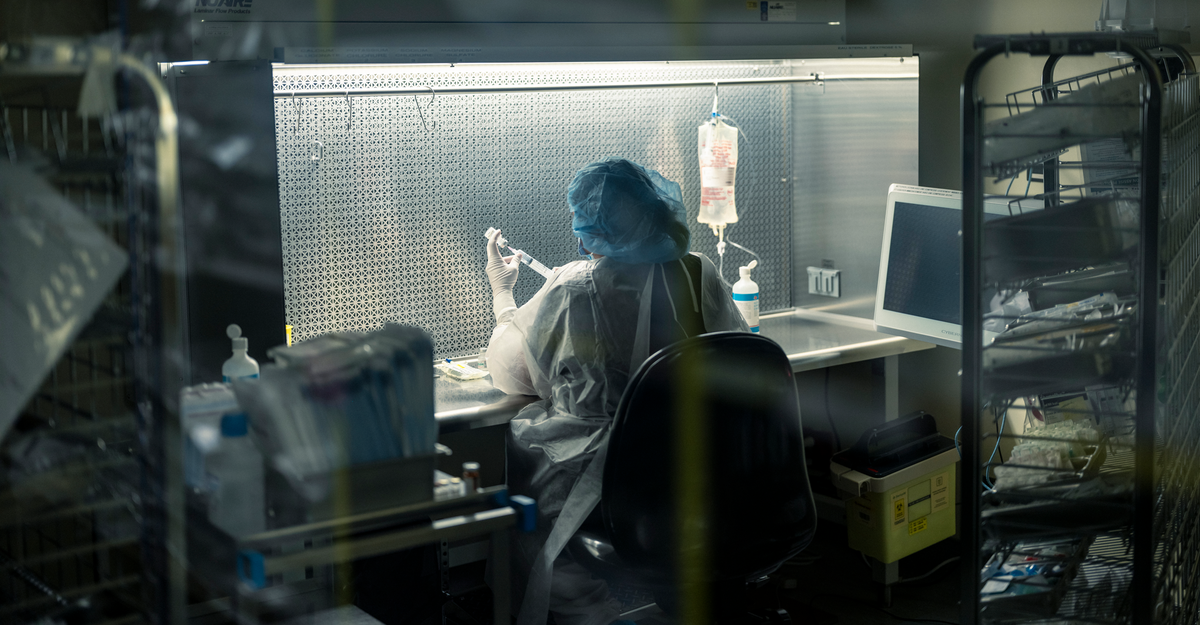
MAID now accounts for about one in 20 deaths in Canada—more than Alzheimer’s and diabetes combined—surpassing countries where assisted dying has been legal for far longer.
過於擴大適用範圍就會偏離原意而被濫用……
There have been unintended consequences: Some Canadians who cannot afford to manage their illness have sought doctors to end their life. In certain situations, clinicians have faced impossible ethical dilemmas. At the same time, medical professionals who decided early on to reorient their career toward assisted death no longer feel compelled to tiptoe around the full, energetic extent of their devotion to MAID. Some clinicians in Canada have euthanized hundreds of patients.
For many clinicians, the ethical and logistical challenges of MAID only compounded the stress of working within Canada’s public-health-care system, beset by years of funding cuts and staffing shortages. The median wait time for general surgery is about 22 weeks. For orthopedic surgery, it’s more than a year. For some kinds of mental-health services, the wait time can be longer.
醫療資源本身就好緊張嘅話……well,某程度上都耽誤咗生者嘅治癒之旅
Canada’s MAID law defines a “grievous and irremediable medical condition” in part as a “serious and incurable illness, disease, or disability.” As for what constitutes incurability, however, the law says nothing—and of the various textual ambiguities that caused anxiety for clinicians early on, this one ranked near the top. Did “incurable” mean a lack of any available treatment? Did it mean the likelihood of an available treatment not working? Prominent MAID advocates put forth what soon became the predominant interpretation: A medical condition was incurable if it could not be cured by means acceptable to the patient.
呢個定義睇上去比較務實,值得參考;但係,如果病人本身唔想被其他手段醫治呢?呢種情況下,其實得返一個標準:病人本身嘅意願,而有時會同社會保障失效嘅現實有關。濫用都由此而生,視乎執行者有冇道德倫理嘅考量。呢個都係點解一定要明確而全面先得,否則就會有漏洞而偏離原意
She regretted her decision almost as soon as the man’s heart stopped beating. “What I’ve learned since is: Eligible doesn’t mean you should provide MAID,” Li told me. “You can be eligible because the law is so full of holes, but that doesn’t mean it clinically makes sense.” Li no longer interprets “incurable” as at the sole discretion of the patient. The problem, she feels, is that the law permits such a wide spectrum of interpretations to begin with. Many decisions about life and death turn on the personal values of practitioners and patients rather than on any objective medical criteria.
“And they said, well, they weren’t sure, and that’s my point,” Li explained. “There’s no standard here; it’s just kind of up to you.” The concept of a “completed life, or being tired of life,” as sufficient for MAID is “controversial in Europe and theoretically not legal in Canada,” Li said. “But the truth is, it is legal in Canada. It always has been, and it’s happening in these frailty cases.”
而呢件事因為無可挽回,所以更加應該慎重同嚴謹。而唔係發展成呢個地步之後無任何改變甚至更加惡化。而事後嚟睇,其實早已有所警告,因為本身就有其他地方已經有運行緊呢個制度
In 2014, when the question of medically assisted death had come before Canada’s supreme court, Etienne Montero, a civil-law professor and at the time the president of the European Institute of Bioethics, warned in testimony that the practice of euthanasia, once legal, was impossible to control. Montero had been retained by the attorney general of Canada to discuss the experience of assisted death in Belgium—how a regime that had begun with “extremely strict” criteria had steadily evolved, through loose interpretations and lax enforcement, to accommodate many of the very patients it had once pledged to protect. When a patient’s autonomy is paramount, Montero argued, expansion is inevitable: “Sooner or later, a patient’s repeated wish will take precedence over strict statutory conditions.” In the end, the Canadian justices were unmoved; Belgium’s “permissive” system, they contended, was the “product of a very different medico-legal culture” and therefore offered “little insight into how a Canadian regime might operate.” In a sense, this was correct: It took Belgium more than 20 years to reach an assisted-death rate of 3 percent. Canada needed only five.
The original assumption was that euthanasia in Canada would follow roughly the same trajectory that euthanasia had followed in Belgium and the Netherlands. But even under those permissive regimes, the law requires that patients exhaust all available treatment options before seeking euthanasia. In Canada, where ensuring access has always been paramount, such a requirement was thought to be too much of an infringement on patient autonomy. Although Track 2 requires that patients be informed of possible alternative means of alleviating their suffering, it does not require that those options actually be made available. Last year, the Quebec government announced plans to spend nearly $1 million on a study of why so many people in the province are choosing to die by euthanasia. The announcement came shortly after Michel Bureau, who heads Quebec’s MAID-oversight committee, expressed concern that assisted death is no longer viewed as an option of last resort. But had it ever been?
It doesn’t feel quite right to say that Canada slid down a slippery slope, because keeping off the slope never seems to have been the priority. But on one point Etienne Montero, the former head of the European Institute of Bioethics, was correct: When autonomy is entrenched as the guiding principle, exclusions and safeguards eventually begin to seem arbitrary and even cruel. This is the tension inherent in the euthanasia debate, the reason why the practice, once set in motion, becomes exceedingly difficult to restrain. As Canada’s former Liberal Senate leader James Cowan once put it: “How can we turn away and ignore the pleas of suffering Canadians?”
- 制度致貧
 洪惠芬
洪惠芬
歐美社會學者布萊迪(David Brady)、芬尼根(Ryan Finnigan)及歐洲社會政策學者蘇布根(Sebastian Hübgen)提醒我們,若僅在單一國家內部比較,確實容易得出「單親家庭擁有較多致貧因子」的結論;但一旦將視角拉至跨國層次,這樣的解釋便顯得不足。3位學者運用「盧森堡所得研究」(Luxembourg Income Study, LIS)資料,檢視 29 個國家中女性單親在低教育程度、失業與早生子女等致貧因子上的分布情形,發現美國並未顯著高於其他國家;真正造成女性單親貧窮率差異的,並非致貧因子的「盛行率」(prevalence),而是制度對這些因子的「懲罰強度」(penalty)。
白話點說,如果單親母親身在福利制度相對完善的國家,會有較好的政策設計來協助她養兒育女及兼顧工作;但福利制度殘缺的國家單親女性一旦具備致貧因子(如低學歷、與未持續就業等),落入貧窮的機率遠高於福利制度較為完善的國家。這個發現,將「單親貧窮」重新定位為「制度後果」,而不是「個人失敗」。也就是說,問題不只是「誰比較容易跌倒」,而是跌倒時,國家是否願意透過制度去協助人重新站起、前行。
都唔單止係單親家庭,其他羣體都一樣,無非係抗壓能力嘅唔同,但呢種相關關係應該一致。致貧因子的確係會令到人更加容易落入貧窮,但制度嘅保障多少其實影響得更大
家庭政策與所得保障是否到位,並不只影響特定家庭型態,而是關乎整個社會如何分配育兒照顧的風險。當一個社會的制度能夠接住最脆弱的育兒者,也才能為其他家庭提供更穩固的支持。對單親媽媽的友善,不只是情感上的關懷,而是檢驗一個社會制度是否成熟、是否具有承擔能力的重要指標。
- measles back
WSJ | The Race to Find a Measles Treatment as Infections Surge
After the measles vaccine was introduced in the 1960s, cases of the disease plummeted. By 2000, federal officials had declared measles eliminated from the U.S. This success led to little interest in the development of treatments. But now, as vaccination rates fall and infections rise, scientists are racing to develop drugs they say could prevent or treat the disease in vulnerable and unvaccinated people.
“In America, we don’t like being told what to do, but we like to have options for our medicine chest,” said Marc Elia, chairman of the board of Invivyd, a Massachusetts-based drugmaker that started working on a monoclonal antibody for measles this spring.
有時都幾搞笑,人類發明咗可以消滅疫症嘅疫苗,但同時都係人類選擇唔打疫苗而被感染,跟住又要再發明可以醫治疫症嘅藥物……而且奇怪嘅係,如果唔相信疫苗嘅話,噉理應都唔會相信藥物?
Saravir Biopharma, which was launched in July in collaboration with Columbia University to develop a measles monoclonal antibody, is banking on a continuing decline in vaccination rates to further fuel a need for measles treatments—and in turn, more investor interest.
“This is just the beginning,” said Dr. Ron Moss, Saravir’s CEO. “I don’t see public-health officials in this country turning around and saying everyone will need to get vaccinated in the next couple of years.”
Moss said Saravir’s antibody treatment, which is designed to stop the measles virus from fusing with the body’s cells, could be tested in people as soon as next year.
冇嘢好講,到最後只係自作自受
評論留言区